



房地產博客
作者:Wilson Li
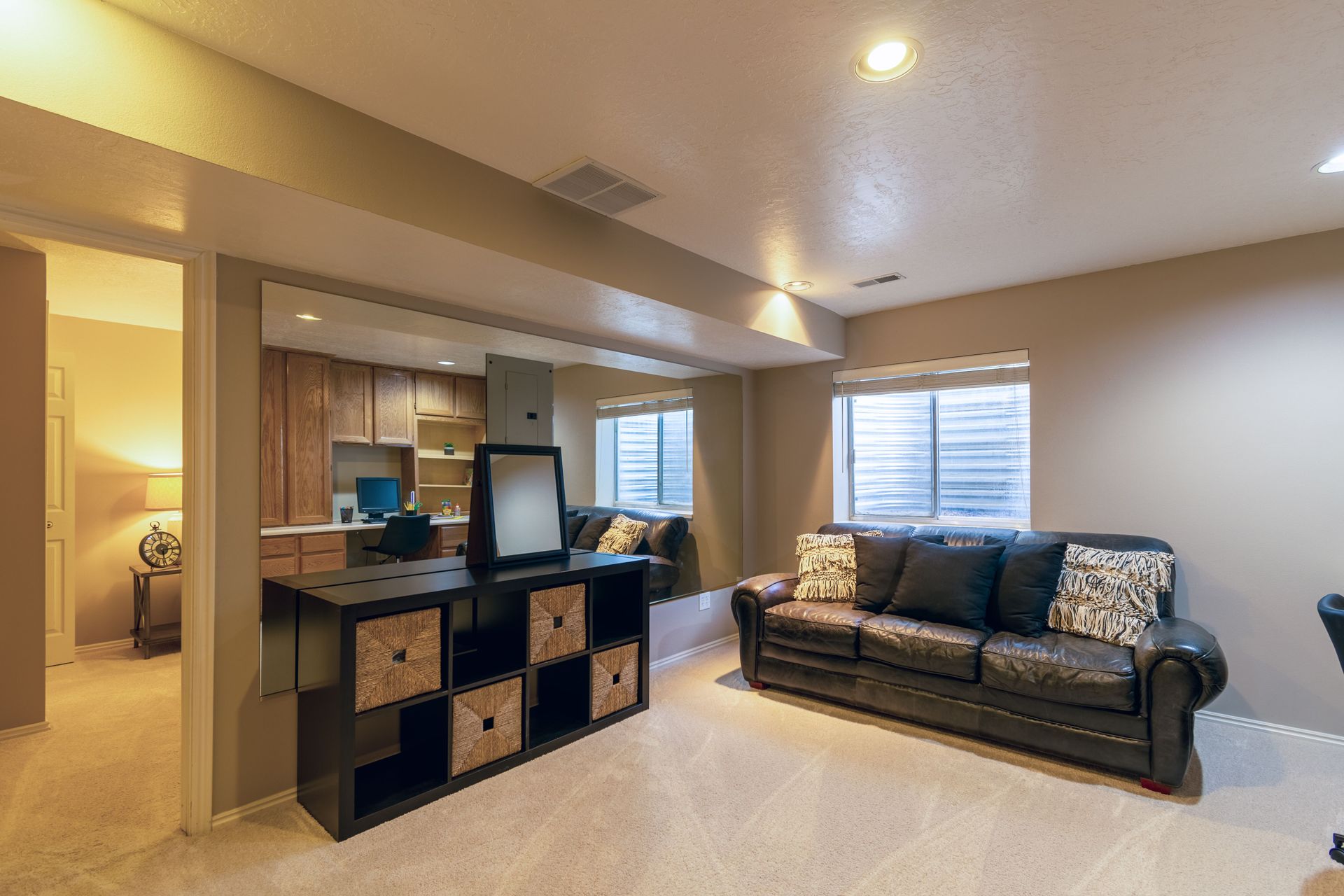
Guelph has loosened its rules on additional dwelling units significantly over the past few years, and it's one of the most common questions I get from buyers looking at income potential or multi-generational living. Here's where things actually stand. What the city allows In December 2024, City Council approved changes permitting up to four residential units on many low-density residential lots. For a single detached home, that generally works out to the main house plus up to two additional units in an accessory building, or one additional unit inside the home plus up to two in a separate building, depending on configuration. Semi-detached homes, duplexes, and townhouses are generally permitted up to three units per lot. A March 2026 partial settlement at the Ontario Land Tribunal also resolved a number of the appealed provisions around parking, building lengths, and buffer strips, giving more certainty than there was even a year ago. That said, parts of Guelph's zoning bylaw remain under city-wide appeal, so the specific rules that apply to any given property still depend on the zoning, lot size, and existing structures. Units within the main home vs. detached An additional dwelling unit inside the primary home (a basement apartment, for example) is generally capped at 45% of the home's total floor area and a maximum of two bedrooms. A detached unit in the backyard, like a garden suite or coach house, is limited to about 861 square feet, can't cover more than 30% of the yard, and is capped at roughly 6.1 metres in height. Both require their own separate entrance with proper pedestrian access. It's not automatic This is the part buyers sometimes miss: the city's zoning changes create the opportunity, but they don't automatically qualify every property. Lot dimensions, existing buildings, parking availability, servicing capacity, and where entrances can be located all still determine what's actually approvable on a specific lot. The City's ADU Assessment Tool is a good starting point, but for anything beyond a rough sense of feasibility, it's worth a Preliminary Zoning Review or a conversation with a designer or contractor before you count on a unit as part of your purchase decision. Registration is required Any additional dwelling unit, new or existing, needs to be registered with the City under the Additional Residential Dwelling Units bylaw, and it needs a building permit, meets the Ontario Building Code, and passes inspection, including a licensed electrical contractor's sign-off. Adding a unit can also affect your property tax assessment through MPAC. Why this matters if you're buying Whether you're looking for a basement apartment to offset your mortgage, space for a family member, or simply want to know what a property could become down the road, this is exactly the kind of question worth asking before you write an offer, not after. With my construction background, I can often give you a realistic read on a property's potential on the spot, and point you toward the right professional when the answer needs more than a walkthrough.
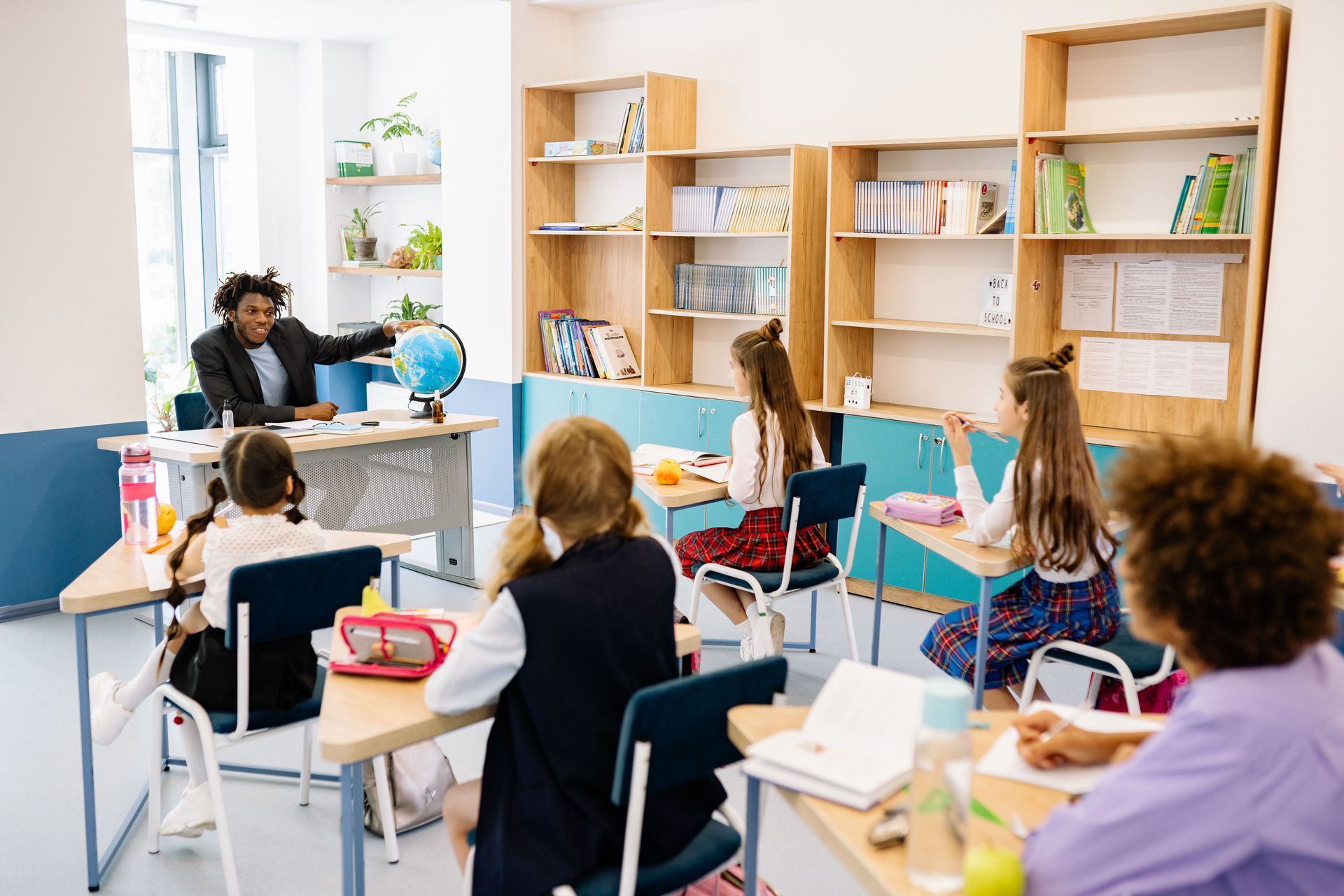
When families start looking for a home in Guelph, one of the first questions I hear is, "What are the schools like?" It makes sense. For a lot of parents, the school down the street matters as much as the number of bedrooms. Here's a look at Guelph's top performing schools based on the latest Fraser Institute rankings, plus a few things I always tell families to keep in mind. How the rankings work The Fraser Institute ranks Ontario schools each year using provincial EQAO test results in reading, writing, and math. Each school gets an overall rating out of 10. The most recent elementary report ranked over 3,000 Ontario schools, and the secondary report ranked 747 high schools. Rankings are a useful starting point, but they're based on test scores only. They don't measure things like arts programs, sports, special education support, or how happy kids are at school. Even the Fraser Institute says parents shouldn't choose a school on rankings alone. Top rated elementary schools in Guelph École Arbour Vista Public School (Public, French Immersion): 9.7, ranked 42 in Ontario St. Paul Catholic School (Catholic): 8.9, ranked 126 John McCrae Public School (Public): 8.8, ranked 149 Westminster Woods Public School (Public): 8.7, ranked 161 Ken Danby Public School (Public): 8.5, ranked 199 Westwood Public School (Public): 8.0, ranked 351 Rickson Ridge Public School (Public): 7.9, ranked 392 Jean Little Public School (Public): 7.9, ranked 392 St. Patrick Catholic School (Catholic): 7.8, ranked 447 Victory Public School (Public): 7.8, ranked 447 A few that stand out: École Arbour Vista is one of the highest rated schools in all of Ontario, not just Guelph. Westwood Public School made one of the biggest jumps locally, scoring 8.0 compared to its five year average of 4.6. The south end shines. Westminster Woods and Rickson Ridge both serve the newer neighbourhoods in Guelph's south end, which is one reason those areas stay popular with families. Just outside the city: Aberfoyle Public School in Puslinch rated 8.3, and St. Joseph Catholic School in Fergus rated 9.3, one of the highest in the region. Top rated high schools in Guelph Guelph Collegiate Vocational Institute (GCVI) (Public): 8.2, ranked 65 in Ontario Bishop Macdonell Catholic High School (Catholic): 8.2, ranked 65 Centennial Collegiate Vocational Institute (Public): 8.0, ranked 86 John F. Ross Collegiate Vocational Institute (Public): 7.7, ranked 119 All four rank in the top fifth of Ontario high schools. Centennial has been one of the area's strongest performers for years, and GCVI, in its historic building near downtown, is a favourite for families who want a walkable, central location. What this means if you're buying a home Check the boundary, not just the distance. In Guelph, the closest school isn't always the one your address is assigned to. Before you fall in love with a house, confirm the school boundaries using the Upper Grand District School Board or Wellington Catholic District School Board school locator tools. Boundaries can also change as new neighbourhoods are built. Think about the whole path. If you have young kids, look at both the elementary school and the high school the address feeds into. A great elementary school paired with a long commute in high school might not be the right fit. Ask about programs. French Immersion, special education, gifted programs, and before and after school care can matter more than a ranking. Some programs are only offered at certain schools. Visit if you can. A quick tour or a chat with parents in the neighbourhood tells you more than any number. Schools and home values Homes in well known school zones often hold their value well and tend to attract strong interest from families when they come to market. That's worth thinking about even if you don't have kids, because it affects your future buyer pool. Let me help you find the right fit After 13 years in Guelph, I know which neighbourhoods feed into which schools and how families feel about them. If schools are high on your list, tell me what matters most to you and I'll help you focus your search on the areas that fit. You can also explore Guelph's neighbourhoods on ViewGuelph.ca . Rankings source: Fraser Institute Report Card on Ontario's Elementary Schools 2025 (2023/24 school year results) and Report Card on Ontario's Secondary Schools 2025. Rankings are one measure of school performance. Always confirm school boundaries and programs directly with the school board.
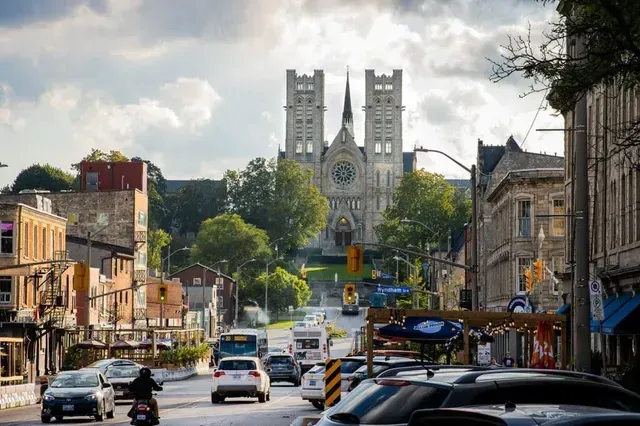
Downsizing isn't just about square footage. It's a financial decision and a lifestyle one, and Guelph has good options at nearly every stage of that decision. Here's what to think through. The tax piece works in your favour If the home you're selling has been your principal residence for every year you owned it, the entire gain is tax-free under Canada's principal residence exemption. There's no limit on the amount. If you bought your Guelph home decades ago for a fraction of what it's worth today, that full gain comes to you without a capital gains bill. It's worth confirming your specific situation with a tax professional, especially if you ever rented out part of the home or used part of it for business, but for most homeowners this is the single biggest financial advantage of downsizing. Where downsizers land in Guelph Bungalows remain popular for buyers who want to eliminate stairs while still owning a full house with a yard and no monthly fee. They tend to hold their value well in established neighbourhoods. Condos offer the most hands-off option: no exterior maintenance, no snow removal or lawn care, and often building amenities, in exchange for a monthly fee. This is the right fit if travel or a lock-and-leave lifestyle matters to you. Townhouses split the difference, offering a smaller footprint and less maintenance responsibility than a detached home while still giving you a bit of private outdoor space. Sell first or buy first? Selling first gives you a firm number to work with and removes the stress of carrying two properties or two mortgages at once, but it can mean a temporary move if timing doesn't line up. Buying first gives you a smoother transition but means carrying both properties briefly, which isn't the right fit for every budget. In Guelph's current balanced market, either approach can work, and a well-coordinated closing date is usually the deciding factor rather than the order itself. Account for the full cost of the move Downsizing unlocks equity, but it isn't free. Real estate commissions, legal fees, land transfer tax on your next purchase, moving costs, and any repairs or staging on your current home all come off the top. It's worth running the real net number, not just the difference between the two sale prices, before deciding what your next home budget looks like. No single right time Some people downsize when the kids move out, others wait until home maintenance starts to feel like a burden, and some simply want to unlock equity for retirement. There's no universal trigger point. If you're weighing it, I'm glad to walk through what your current home is worth today, what a bungalow, condo, or townhouse in Guelph would actually cost you monthly, and whether the timing makes sense for your situation.
With more inventory on the market and buyers taking their time to compare, presentation matters more in 2026 than it has in years. But not every dollar you spend before listing comes back to you. Having worked in construction before real estate, this is a question I get asked constantly, so here's the honest breakdown. What consistently pays off Fresh paint is the single best return you can get. A professional paint job in neutral tones typically costs a few thousand dollars and can return well over its cost simply because it makes a home look clean, cared for, and move-in ready in photos and in person. It's the cheapest transformation available. A light kitchen refresh, not a full renovation, is next. New hardware, updated lighting, a fresh backsplash, and repainted cabinets can give a dated kitchen a current feel for a fraction of what a full gut renovation costs, and buyers respond to it almost as strongly. Curb appeal is underrated. A tidy lawn, fresh mulch, pruned hedges, a clean walkway, and a freshly painted front door shape a buyer's first impression before they've stepped inside, and that first impression carries through the whole showing. Minor bathroom updates (new vanity, modern fixtures, updated lighting, regrouted tile) also tend to pay back well, since dated bathrooms are one of the most common reasons buyers negotiate down. Flooring matters too. Worn or dated flooring is one of the fastest ways a buyer mentally discounts a home. Refinishing existing hardwood or replacing tired carpet in main living areas is usually worth it. What usually doesn't pay off A full custom kitchen renovation rarely returns its full cost, especially if it pushes your home's finishes well above what similar homes in your neighbourhood are selling for. Buyers compare your home to others nearby, and a $150,000 kitchen in a $750,000 Guelph neighbourhood won't add $150,000 to your sale price. Highly personalized choices (bold paint colours, unusual tile, a very specific built-in feature) can actually narrow your buyer pool rather than widen it. What you love may not be what the next buyer loves. Major structural additions taken on right before selling (a primary suite addition, a full basement underpinning) almost never return their cost within a short timeline. These make sense if you're staying for years to enjoy them, not as a pre-sale investment. The simple rule Spend where buyers will actually notice: paint, a light kitchen and bathroom refresh, flooring, and curb appeal. Skip anything that only you would notice or that pushes your home above what the neighbourhood supports. And always get a second opinion before spending serious money. I'd rather walk your home with you and tell you honestly what's worth doing than see you overspend on something that won't come back to you at closing.

One of the things buyers ask me most often, whether they're moving from downtown Toronto or from a rural property, is what there actually is for getting outside in Guelph. The answer is more than most people expect for a city this size. Royal Recreation Trail This is Guelph's signature trail, looping through the city along the Speed River and connecting several parks and neighbourhoods. It's paved and well-maintained, making it a favourite for walkers, runners, and cyclists alike, and it's flat enough to be genuinely accessible for most fitness levels. Speed River Trail Running along the Speed River itself, this trail offers some of the prettiest riverside walking in the city and connects toward Guelph Lake for those who want to extend a walk or ride into a longer outing. Eramosa River Trail On the city's north and east side, this trail follows the Eramosa River and tends to feel quieter and more natural than the busier central routes, a good option if you want a walk without much foot traffic. Neighbourhood parks worth knowing Beyond the river trails, Guelph has a strong network of neighbourhood parks. Riverside Park along the Speed River is a longtime favourite for families, with playgrounds and open green space. In south Guelph, Clair Park and the trails around Westminster Woods and Kortright give newer subdivisions genuine walkability. Exhibition Park near downtown is a smaller but well-used green space close to the core. Connecting further out For a longer ride or a full day out, the trail network connects toward Guelph Lake Conservation Area, which adds another 10 kilometres of trails around the reservoir, and cyclists comfortable with a longer trip can connect from the Guelph area toward the 47-kilometre Elora Cataract Trailway near Elora Gorge. Why this matters when you're house hunting Proximity to a trail or park genuinely affects day-to-day quality of life, and it's one of the first things I check when I'm helping a buyer evaluate a specific street, not just a general neighbourhood. If getting outside easily matters to you, tell me that early in the search and I'll factor it into what I show you.
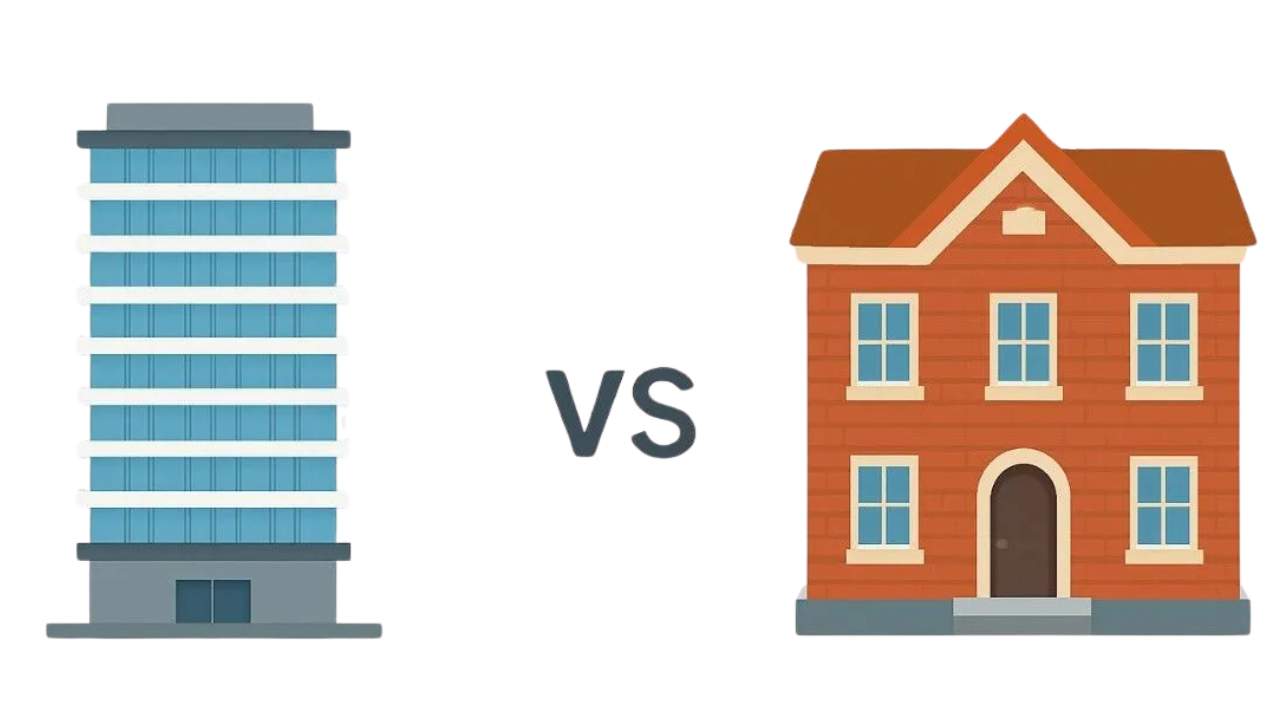
The purchase price is only part of the decision. What trips buyers up more often is the monthly cost and lifestyle trade-off they didn't fully account for. Here's how the three main property types compare in Guelph. Condos Condos are the most affordable entry point, generally averaging in the $490,000 to $590,000 range depending on the building and location, with plenty downtown or near the University of Guelph. The appeal is low-maintenance living: exterior repairs, landscaping, and snow removal are handled through your monthly condo fee, which typically covers a share of the building's insurance and reserve fund as well. The thing to watch is the status certificate. Before you commit, it should be reviewed carefully (ideally by a lawyer) for the building's reserve fund health, any planned special assessments, and the fee history. A building with unusually low fees isn't necessarily a deal. It can mean the reserve fund is underfunded, and a special assessment down the road can run into the tens of thousands of dollars per unit. Townhouses Townhouses sit in the middle, both in price and in trade-offs. In Guelph you'll find both freehold townhomes (no condo fee, you own the land) and condo townhomes (a monthly fee that covers exterior maintenance). Condo townhomes tend to sell for roughly 20% less than an equivalent freehold townhome, since buyers and lenders price in the ongoing fee. Freehold gives you more control and no fee, but you're responsible for the whole exterior including roof and driveway. Either way, a townhouse gets you a small yard and more square footage than a comparable condo, without stepping all the way up to detached home pricing. Detached homes Detached homes offer the most space, privacy, and flexibility, and in Guelph they command the highest prices, generally from the high $700,000s into well over $1 million depending on the neighbourhood and lot. You're responsible for everything: roof, furnace, landscaping, driveway, and all repairs. There's no fee, but there's also no shared cushion when something big breaks. Detached homes also tend to hold value well and give you the most room to add value yourself, whether that's a basement apartment, a finished space, or simply renovations that suit your taste rather than a condo board's rules. Which one is right for you If low maintenance and a lower entry price matter most, a condo makes sense, especially for a first home or if you travel often. If you want more space without full exterior responsibility, a townhouse is the practical middle ground. If long-term flexibility, privacy, and the ability to add value on your own terms matter most, detached is worth stretching for if your budget allows. There's no universally right answer here, only the one that fits your budget and how you actually want to live. Happy to walk through specific listings in each category so you can see the real trade-offs side by side.
Buying your first home in Guelph comes with more financial support than most people realize. Here's a plain-language rundown of the programs worth knowing about, and how they work together. The First Home Savings Account (FHSA) This is the single best tool for most first-time buyers. You can contribute up to $8,000 a year, up to a lifetime maximum of $40,000. Contributions are tax-deductible like an RRSP, and withdrawals for a first home are completely tax-free, with no requirement to pay the money back. If you haven't opened one yet, it's worth doing even before you're ready to contribute much, since your contribution room only starts building once the account exists. The Home Buyers' Plan (HBP) Separate from the FHSA, this lets you withdraw up to $60,000 from your RRSP tax-free toward a first home. The catch is that you do have to repay it, starting the second year after you withdraw, spread over 15 years. Many buyers use the FHSA first since it never needs repaying, then top up with the HBP if they need more. A couple who are both first-time buyers can combine both programs and, between FHSA and HBP, potentially bring well over $150,000 toward a down payment. Ontario Land Transfer Tax Rebate First-time buyers in Ontario get a rebate of up to $4,000 on the provincial land transfer tax, which effectively eliminates the tax entirely on homes priced at roughly $368,000 or less, and reduces it meaningfully above that. On a $650,000 Guelph home, the land transfer tax comes to roughly $9,475, so the rebate brings your out-of-pocket cost down to about $5,475. Your lawyer handles the rebate claim at closing, so there's nothing extra you need to apply for separately. Home Buyers' Tax Credit A federal, non-refundable tax credit worth up to $1,500, claimed the year you buy. It's smaller than the other programs but it's easy money you shouldn't leave on the table. Mortgage rules that favour first-time buyers As of late 2024, first-time buyers on insured mortgages can stretch amortization to 30 years instead of the usual 25, which meaningfully lowers the monthly payment (though it does mean more interest paid over the life of the mortgage). The insured-mortgage price cap also sits at $1.5 million, up from $1 million previously, which opens up insured financing on more homes. Putting it together Here's what a real first-time buyer's stack might look like on a $650,000 Guelph townhouse: FHSA covers part of the down payment tax-free, HBP tops it up if needed, the land transfer tax rebate saves roughly $4,000 at closing, and the 30-year amortization option (if you want it) keeps the monthly payment more manageable. The programs are genuinely helpful, but timing and coordination matter. If you're a year or two out from buying, opening an FHSA today and having a mortgage broker map out your specific numbers is the best first step. I'm always happy to walk through what applies to your situation and connect you with a broker who can run the exact figures.
It's the question almost every buyer asks before they ask anything else, and the honest answer is that it depends less on the sticker price of a home and more on the monthly number underneath it. Here's how that breaks down in today's Guelph market. Where prices actually sit right now Guelph is a balanced market heading into fall 2026, and prices vary a lot by property type. Condos and townhouses are averaging somewhere in the $540,000 to $620,000 range, while detached homes average closer to $780,000 to $900,000 depending on the neighbourhood and how much has been updated. That's a wide spread, which is actually good news: there's a realistic entry point at more than one budget. What the monthly payment looks like At roughly 4% on a five-year fixed rate (a reasonable estimate as of September 2026, though your actual rate depends on your lender and credit profile), here's what mortgage payments alone look like on a 25-year amortization: $550,000 condo Down payment: 10% ($55,000) Mortgage: $495,000 Monthly payment: approx. $2,600 $650,000 townhouse Down payment: 10% ($65,000) Mortgage: $585,000 Monthly payment: approx. $3,080 $800,000 detached Down payment: 20% ($160,000) Mortgage: $640,000 Monthly payment: approx. $3,370 $900,000 detached Down payment: 20% ($180,000) Mortgage: $720,000 Monthly payment: approx. $3,790 Those numbers are mortgage payment only. Add property tax (Guelph's residential rate works out to roughly $1,200 to $1,500 a month on homes in this range once you include the 2026 tax increase), utilities, home insurance, and condo fees if applicable, and your realistic all-in monthly cost runs a few hundred to over a thousand dollars higher than the payment alone. The down payment rules that actually matter For homes under $500,000, minimum down payment is 5%. Between $500,000 and $1.5 million, it's 5% on the first $500,000 and 10% on the portion above that (so a $650,000 home needs $40,000 down, not $32,500). Above $1.5 million, you need 20% down. First-time buyers on insured mortgages can also stretch to a 30-year amortization instead of 25, which lowers the monthly payment noticeably but costs more in interest over the life of the loan. A rough rule of thumb Lenders generally want your total housing costs (mortgage, tax, heat, and half of any condo fees) to stay under about 39% of your gross household income, and all debts combined under about 44%. If you want a quick gut check before talking to a mortgage broker, take your gross annual household income, multiply by roughly 4 to 4.5, and that's a rough ceiling on purchase price at today's rates. It's not exact, but it gets you in the right neighbourhood. Get the real number before you shop These figures are meant to orient you, not replace a proper pre-approval. Rates move, your income and debts are unique to you, and a mortgage broker can tell you exactly what you qualify for within a day or two. If you'd like, I can connect you with a broker I trust, or we can talk through what price range makes sense for the neighbourhoods you're interested in.

Why Guelph's summer markets are a must-visit for foodies, families, and home buyers alike
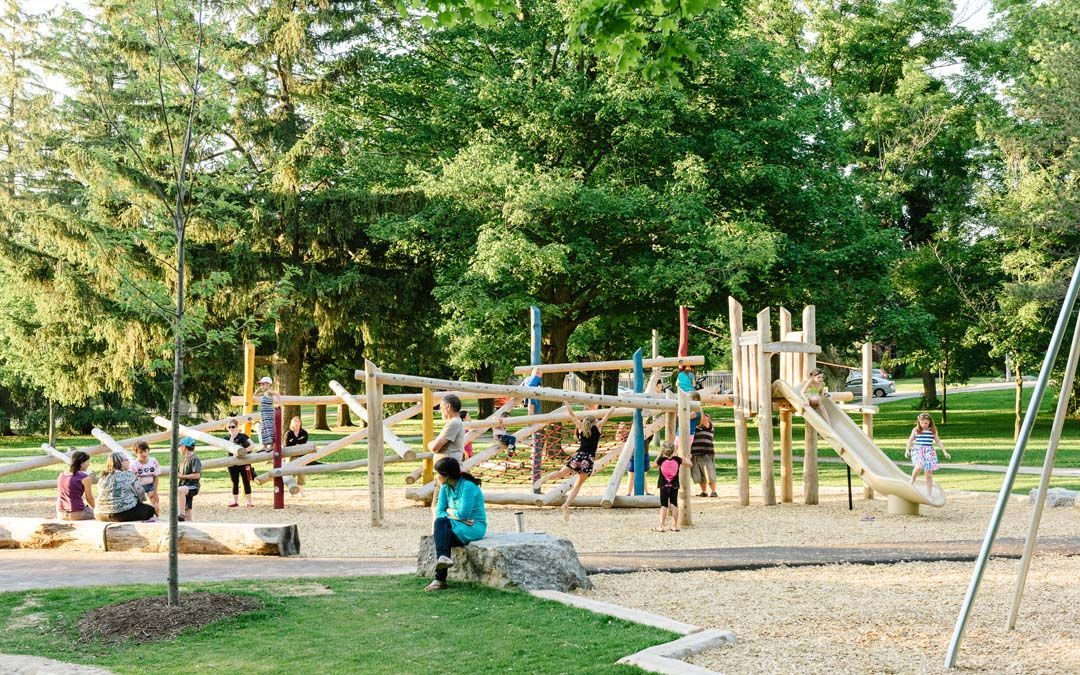
Discover Guelph's best-kept secrets this summer — from serene trails to vibrant green spaces