
Guelph Home Buyer Guide

Everything You Need to Know About Buying a Home in Guelph


Buying a home is one of the biggest decisions you will ever make, and having the right guidance makes all the difference. This guide will walk you through every step of the buying process in Guelph, explain what to expect and help you feel confident from beginning to end. Whether you are a first time buyer, moving into a larger home or relocating to Guelph, this guide is your complete roadmap.

1. Understanding the Guelph Market


Guelph has one of the most stable and reliable real estate markets in Ontario. The city continues to grow because of its strong schools, safe neighbourhoods, beautiful parks, vibrant cultural scene and the presence of a top rated university. Its easy access to Highway 401 and GO Train service also makes it a popular choice for commuters. The market moves quickly at times, but with the right strategy and guidance, you can secure a home that fits both your lifestyle and your budget.


2. Step by Step: How Buying a Home Works in Guelph

Step 1. Get Pre Approved

Before viewing homes, it is important to get pre approved by a bank or mortgage specialist. A pre approval shows you how much you can afford, locks in an interest rate, strengthens your offer and helps you move quickly when the right home appears. If you need a trusted mortgage professional, I can connect you with one.


Step 2. Understand Your Budget

Your home price is only part of the overall cost. You should also consider property taxes, closing costs, home insurance, utilities and general maintenance. Closing costs in Ontario typically range from 1.5 to 2.5 percent of the purchase price. I help every client estimate these numbers so you have a clear financial picture.


Step 3. Choose the Right Neighbourhood

Guelph offers a wide variety of neighbourhoods, each with its own personality. The South End is known for newer homes and top rated schools. The West End offers family friendly streets and great recreation facilities. The East End is popular for newer homes at affordable prices, while Central Guelph offers walkability, charm and unique heritage homes. Old University provides mature lots and character properties close to everything. If you would like, I can take you on a neighbourhood tour to help you compare areas and choose the right fit.


Step 4. Start Viewing Homes

Once you know your budget and preferred areas, we can begin touring homes. During showings, I help you look for red flags, layout functionality, comparable values, long term potential and renovation opportunities. My goal is to help you see both the visible features and the hidden details so you can make an informed decision.


Step 5. Making an Offer

When you find the right home, I prepare a strong and competitive offer based on market value, neighbourhood demand, current competition, seller motivation and your comfort level. Offers may also include conditions such as financing, home inspection or, for condos, a status certificate review. I walk you through everything so you feel confident and prepared.


Step 6. Home Inspection

If your offer includes a home inspection, a licensed inspector will review the roof, plumbing, electrical system, foundation, furnace, AC, windows and overall structure. The inspection helps you understand the true condition of the home and any future maintenance needs before you commit.


Step 7. Final Mortgage Approval

Once your offer is accepted, your lender completes the final approval. They will require income documents, bank statements, employment confirmation, the MLS listing and your signed Agreement of Purchase and Sale. I work closely with your lender to help ensure the process goes smoothly.


Step 8. Lawyer Review and Closing

Your real estate lawyer handles everything needed to transfer the home into your name. They will review the agreement, prepare all closing documents, transfer funds and register the title. On closing day you pick up your keys, sign the final papers and your new home officially becomes yours.


3.  Costs to Expect When Buying a Home in Guelph

Ontario charges a one time land transfer tax on home purchases, and many first time buyers qualify for a refund to reduce the cost. Other closing costs include lawyer fees, title insurance, adjustments on property taxes, home insurance setup and a home inspection. Most buyers should plan for 1.5 to 2.5 percent of the purchase price. I provide every client with a full, personalized estimate so there are no surprises.


4. First Time Home Buyer Programs

There are several programs in Canada designed to help first time buyers reduce their upfront costs. These include the land transfer tax refund, the RRSP Home Buyers Plan, the CMHC First Time Buyer Incentive and various tax credits. If you want, I can prepare a personalized breakdown of all the programs you qualify for.


5. Tips for Buying in Guelph

It helps to be prepared to move quickly because well priced homes often attract multiple buyers. Knowing the difference between your must haves and your nice to haves will help you make decisions confidently. Working with a local agent who understands the neighbourhoods and the market conditions can make a big difference. Above all, it is important to stay within your comfort zone so that your home feels right both emotionally and financially.


6. Recreation and Lifestyle Costs


Guelph offers many affordable recreation options. Private gyms range from 40 to 80 per month, while larger gyms such as GoodLife or Movati typically cost 60 to 110. Recreation centre memberships are budget friendly and offer family plans. Kids’ sports vary by activity but often range from 250 to 600 per season. Swimming lessons usually fall between 70 and 150 per session, and extracurricular programs such as music and dance are often 20 to 40 per class.


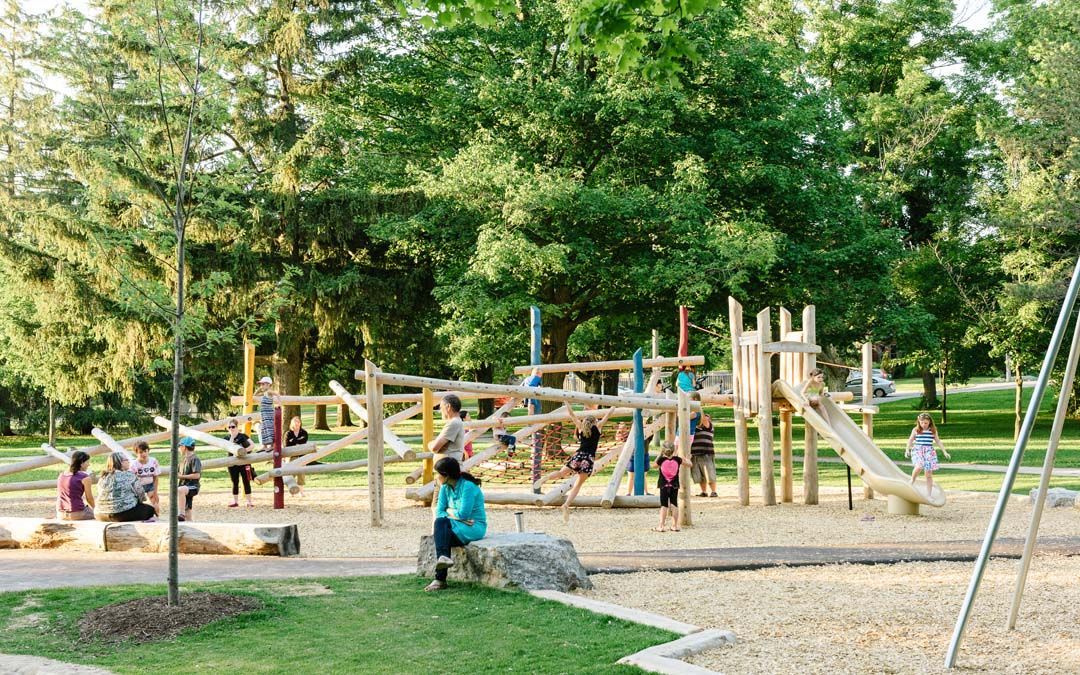
Beyond paid programs, Guelph is full of free activities. Residents enjoy trails, parks, river walks, playgrounds and community events throughout the year.

7. Why Work With Me

As a Guelph based realtor, I help buyers understand neighbourhoods, compare home values, identify hidden issues, negotiate effectively and move through the buying process smoothly. I work hard to make buying a home simple, clear and stress free, so you can feel confident in your decision.

Thinking About Buying a Home in Guelph

If you are ready to start the process or want to learn more about the market, I would be happy to help guide you.

Call or text me anytime
Wilson Li, Realtor in Guelph
Coldwell Banker Neumann Real Estate
By Wilson Li • October 28, 2026
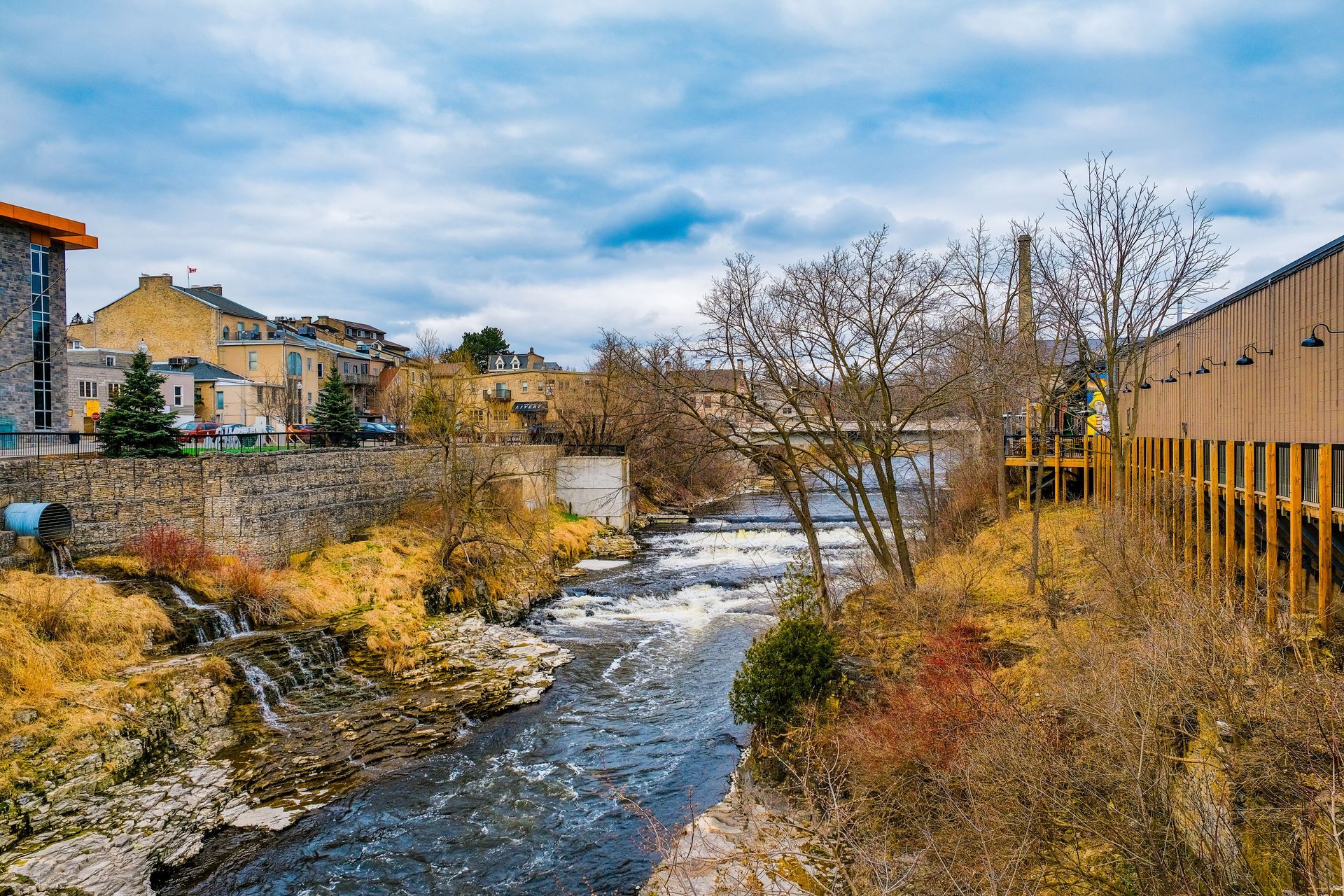
Elora and Fergus sit just 15 to 20 minutes north of Guelph, and both are worth a full weekend on their own, whether you're a visitor deciding if the area is right for you or a Guelph local who hasn't made the short drive lately.  Elora: gorge, galleries, and a genuinely historic downtown Elora's biggest draw is the Elora Gorge Conservation Area, where 22-metre limestone cliffs frame the Grand River. In warmer months you can kayak the whitewater, canoe the calmer stretches, tube through the gorge (weather and water levels permitting), or simply walk the two kilometres of trails along the rim. The conservation area is open for day use from May 1 to October 15. Downtown Elora itself is built from 19th-century limestone and is genuinely one of the most picturesque small downtowns in Ontario, full of art galleries, antique shops, and locally owned restaurants. The Elora Festival brings world-class music performances through July. If you're visiting in September, the Eden Mills Writer's Festival is a short drive away and worth combining into the same trip. The Elora Mill No visit to Elora is complete without seeing the Elora Mill, the building most people picture when they think of the village. It was originally built in 1833 by Scottish naval captain William Gilkison, with the eastern section later operating as the Elora Mill Distillery from 1859 until it closed in 1876 amid a well-known revenue scandal. Today the restored mill operates as the Elora Mill Hotel & Spa, perched directly over the gorge with panoramic views of the falls below. Even if you're not staying overnight, the restaurant and patio are worth a stop for a meal or a drink with one of the best views in the region, and the building itself is a genuine piece of the town's history. Fergus: Scottish heritage and a walkable Grand River downtown Fergus carries a strong Scottish identity, most visibly during the Fergus Scottish Festival and Highland Games in early August, one of the larger Highland games events in North America. Outside festival season, downtown Fergus is a pleasant walk along the Grand River with local shops, cafes, and restaurants, and it takes on a different but equally charming character every September during the Cogs & Clockwork Steampunk Festival. Making a weekend of it Both towns are small enough to see on foot once you've parked, and close enough together that you can reasonably do downtown Elora one day and Fergus the next, or combine both with a stop at Guelph Lake or Rockwood Conservation Area on the way. For a first visit, aim for a festival weekend if your schedule allows since it gives you the best sense of what the community feels like at its liveliest. Thinking about living here rather than just visiting Both Elora and Fergus attract buyers who want a strong sense of small-town identity and character homes, without giving up a short commute back into Guelph. If a weekend visit has you thinking seriously about either town, I'm glad to walk you through what's currently available and what ownership actually looks like in each.
By Wilson Li • October 26, 2026
One of the best things about Guelph is that there's genuinely something worth doing here year-round, not just a few good months in summer. Here's a season-by-season list to work through, whether you've lived here for years or just moved in.  Spring As the Speed River and Eramosa River trails thaw out, spring is the best time to walk the Royal Recreation Trail without summer crowds. The Guelph Farmers' Market, one of the oldest continuously operating farmers' markets in Ontario, kicks back into its full Saturday rhythm with local produce, baked goods, and flowers. It's also a great season for a first visit to the Donkey Sanctuary of Canada, just outside the city, before the summer heat sets in. Summer This is Guelph's busiest and most festival-packed season. Hillside Festival at Guelph Lake, the Guelph Jazz Festival downtown, the Elora Festival's three weeks of live performances, and the Fergus Scottish Festival all happen within a few weeks of each other. Beyond the festivals, summer means tubing and swimming at Elora Gorge, paddling and beaches at Guelph Lake, and patio season along Wyndham Street and Macdonell Street downtown. Fall Fall brings the region's agricultural fairs, apple and pumpkin picking at nearby farms, and some of the best hiking conditions of the year along the river trails as the leaves change. The Eden Mills Writer's Festival and Cogs & Clockwork Steampunk Festival in Fergus both typically land in September, giving fall its own distinct festival character rather than just being the wind-down from summer. Winter Downtown Guelph's holiday markets and tree lighting bring a genuine small-city charm that's hard to find in bigger centres. Outdoor skating rinks open up around the city, Fair November runs its craft and gift market, and Guelph Lake and the river trails stay open for winter walking and, when conditions cooperate, snowshoeing. Why this matters if you're moving here A lot of buyers ask me what there actually is to do once the moving boxes are unpacked, and the honest answer is that Guelph doesn't have an off-season the way some smaller towns do. If you'd like a closer look at any one season, or want recommendations tailored to your family's interests, I'm always happy to point you in the right direction.
By Wilson Li • October 20, 2026
Guelph consistently comes up in conversations about mid-sized Ontario cities worth investing in, and the fundamentals explain why. Here's an honest look at what's actually driving demand, and how the new multi-unit zoning changes open up options that didn't exist a few years ago.  Why demand stays strong Guelph's rental vacancy rate has sat below 2% for several years, well under the roughly 3% typically considered a balanced market. That tight vacancy comes from a few different sources stacking on top of each other: the University of Guelph brings a steady base of student renters, the local tech and healthcare sectors attract professionals on longer leases, and a growing number of GTA commuters are choosing Guelph for more space at a lower cost. That mix matters for an investor, since it means fewer vacant months and less reliance on any single tenant type. Average rents have eased somewhat from their peak, with two-bedroom units generally running in the $2,100 to $2,400 range, but they remain above the national average, and the underlying supply-demand imbalance hasn't gone away even as rents have cooled slightly. Multi-unit zoning changes the math Guelph now permits up to four residential units on many low-density residential lots, following a December 2024 council decision. That means a single detached property can, depending on lot size, zoning, and servicing, potentially support the primary home plus additional units, whether that's a basement apartment, a unit above a garage, or a detached garden suite. For an investor, that turns a single-family purchase into a property with multiple income streams, though it's worth stressing that not every lot automatically qualifies. Zoning, parking, servicing capacity, and entrance requirements all still need to check out. What to actually run the numbers on Before treating any property as a multi-unit opportunity, get real quotes for what legalizing or building an additional unit would cost (permits, electrical, fire separation, and any structural work), not just a rough estimate. Compare that cost against realistic local rent for the unit type and size, factoring in Guelph's genuinely low vacancy rate as a tailwind rather than an assumption. And always run the numbers assuming today's mortgage rates, not the rates from a few years ago, since financing costs are the single biggest variable in whether a multi-unit property actually cash flows. Where I can help With a construction background alongside my real estate work, I can help you assess a property's realistic potential for an additional unit before you buy, not just after, and connect you with contractors who know Guelph's permitting process well. If you're exploring an investment purchase, whether that's a straightforward rental or a property with room to add a unit, I'm happy to walk through specific listings and run the real numbers with you rather than the rough averages you'll find online.
Show More