
Guelph Real Estate FAQ

Frequently Asked Questions for Buyers and Sellers

By Wilson Li, Guelph Real Estate Agent


Whether you are buying or selling a home in Guelph, it is completely normal to have questions. This FAQ covers the most common topics my clients ask about pricing, timelines, financing, offers and the real estate process. If you have a question that is not listed here, you are always welcome to reach out.


1.  How do I know what my home is worth?
Your home’s value is based on recent comparable sales, neighbourhood demand, the condition of your home, upgrades, lot features and current market trends. I provide a detailed home evaluation that shows what similar homes have sold for and what buyers in your area are willing to pay today.

2. How long does it take to sell a home in Guelph?

In a balanced market, most homes take about 20 to 40 days to sell. Homes that are priced correctly and presented well often sell much faster, especially in high demand neighbourhoods.

3.  How much does it cost to sell a home?
Typical selling costs include real estate commission, lawyer fees, mortgage discharge or penalty fees and any home preparation or staging you choose to do. There may also be adjustments for property taxes. I provide a full breakdown so you know exactly what to expect.
4.  How much do I need for a down payment?

Down payment requirements in Canada depend on the price of the home. You need 5 percent for homes up to 500,000 dollars, 10 percent on the portion between 500,000 and 999,999, and 20 percent for homes priced at 1,000,000 dollars or more. I can help you calculate the exact amount based on the homes you are considering.

5. What are closing costs for buyers?

Buyers should budget 1.5 to 2.5 percent of the purchase price for closing costs. This includes land transfer tax, lawyer fees, title insurance, property tax adjustments, home inspection fees and mortgage setup costs. I prepare a closing cost estimate for every client before they submit an offer.

6.  Should I get a home inspection?

In most cases, yes. A home inspection can uncover structural issues, roof problems, plumbing or electrical concerns, aging mechanical systems and general safety issues. Even newer homes can have hidden problems, so an inspection is an important step for peace of mind.

7. What is a status certificate and why is it important?

A status certificate is essential when buying a condo. It shows the financial health of the condo corporation, the reserve fund balance, any legal issues, upcoming repairs and all condo rules and restrictions. I always recommend having a lawyer review the status certificate before your purchase becomes firm.


8. Do I need a realtor to buy a home?

Working with a realtor gives you access to listings, professional guidance, negotiation support, neighbourhood knowledge and protection during the process. As a buyer, you do not pay your realtor directly because the seller covers the commission.


9. Do I need a realtor to sell my home?

A realtor helps you price your home accurately, prepare it for the market, reach more buyers, handle showings, manage negotiations and avoid legal risks. Selling on your own can be stressful and time consuming, while a professional strategy typically leads to a higher sale price.


10. What is the best time of year to sell a home in Guelph?

Spring, early summer and early fall are the strongest seasons for selling. Winter can still be successful because there is less competition. The best time depends on your home type, your neighbourhood and your personal timeline.


11. Should I sell first or buy first?

It depends on your financial comfort level and the market. Selling first gives you certainty about your budget. Buying first gives you more time to find the right home, which is helpful when inventory is low. I can help you decide which option is safer for your situation.


12. What is a bully offer?

A bully offer is a strong early offer submitted before the scheduled offer date. These offers are typically high in price and clean in conditions. I help sellers review bully offers strategically to decide whether to accept or wait until the offer date.


13. How do bidding wars work?

When a home has an offer date, multiple buyers can compete by submitting their best price and terms. Buyers increase their offer based on comparable sales, demand and their comfort level. I guide buyers through this process so they feel informed and confident.


14. How do mortgage pre approvals work?

A lender reviews your income, debt, credit score and employment history to determine your borrowing power. Once pre approved, you receive a letter confirming your price range. This strengthens your offers and ensures you are shopping within a realistic budget.


15. What are the best neighbourhoods in Guelph?

Guelph has many great areas depending on your lifestyle.
The South End offers top schools and newer homes.
Central Guelph provides walkability and heritage charm.
The East End is affordable and family friendly.
The West End is known for parks and good schools.
Old University offers mature lots and character homes.
I can help you compare neighbourhoods that suit your needs.


16. What are condo fees and what do they include?

Condo fees usually cover building insurance, maintenance, landscaping, snow removal, common areas, reserve fund contributions and sometimes water or amenities such as gyms or meeting rooms. Fees vary depending on building age, size and features.


17. Can I buy a rental property in Guelph?

Yes. Guelph is one of the strongest rental markets in the region thanks to the University of Guelph, low vacancy rates and stable population growth. I can help you compare rental rates, cash flow and investment friendly neighbourhoods.


18. What happens on closing day?

Your lawyer handles the title transfer, mortgage payout, closing funds and all final paperwork. Once everything is completed, you receive your keys and the home officially becomes yours.


19. How do I prepare my home for sale?

Focus on cleaning, decluttering, touch up paint, simple repairs and curb appeal. Small improvements can make a big difference in how buyers perceive your home. I can walk through your home with you and provide personalized suggestions.

20. How do I get started?
You can contact me anytime with questions about buying, selling, pricing, neighbourhoods or planning your next move. I am here to guide you through every step.


Call or text me anytime
Wilson Li, Realtor in Guelph
Coldwell Banker Neumann Real Estate
By Wilson Li • October 28, 2026
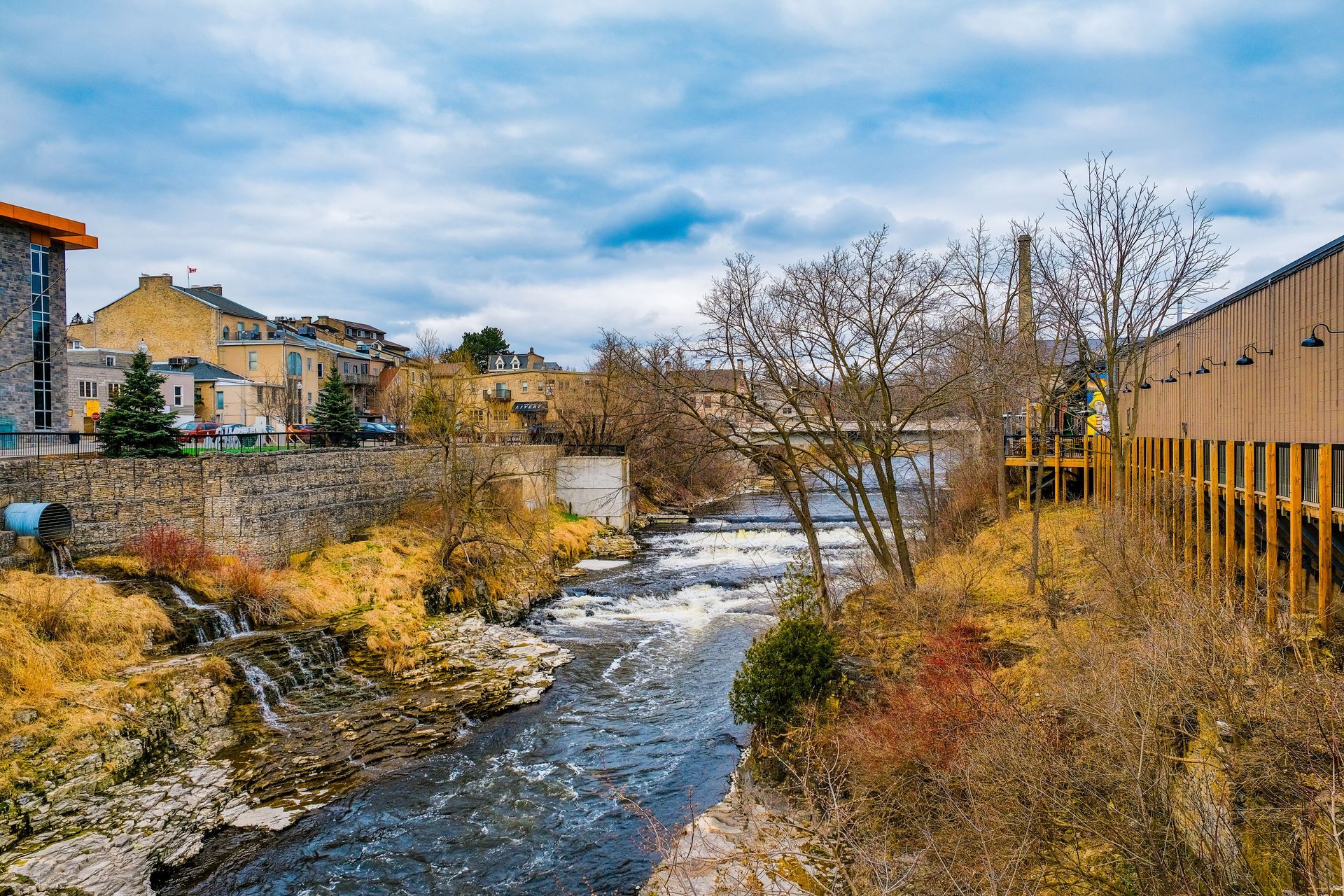
Elora and Fergus sit just 15 to 20 minutes north of Guelph, and both are worth a full weekend on their own, whether you're a visitor deciding if the area is right for you or a Guelph local who hasn't made the short drive lately.  Elora: gorge, galleries, and a genuinely historic downtown Elora's biggest draw is the Elora Gorge Conservation Area, where 22-metre limestone cliffs frame the Grand River. In warmer months you can kayak the whitewater, canoe the calmer stretches, tube through the gorge (weather and water levels permitting), or simply walk the two kilometres of trails along the rim. The conservation area is open for day use from May 1 to October 15. Downtown Elora itself is built from 19th-century limestone and is genuinely one of the most picturesque small downtowns in Ontario, full of art galleries, antique shops, and locally owned restaurants. The Elora Festival brings world-class music performances through July. If you're visiting in September, the Eden Mills Writer's Festival is a short drive away and worth combining into the same trip. The Elora Mill No visit to Elora is complete without seeing the Elora Mill, the building most people picture when they think of the village. It was originally built in 1833 by Scottish naval captain William Gilkison, with the eastern section later operating as the Elora Mill Distillery from 1859 until it closed in 1876 amid a well-known revenue scandal. Today the restored mill operates as the Elora Mill Hotel & Spa, perched directly over the gorge with panoramic views of the falls below. Even if you're not staying overnight, the restaurant and patio are worth a stop for a meal or a drink with one of the best views in the region, and the building itself is a genuine piece of the town's history. Fergus: Scottish heritage and a walkable Grand River downtown Fergus carries a strong Scottish identity, most visibly during the Fergus Scottish Festival and Highland Games in early August, one of the larger Highland games events in North America. Outside festival season, downtown Fergus is a pleasant walk along the Grand River with local shops, cafes, and restaurants, and it takes on a different but equally charming character every September during the Cogs & Clockwork Steampunk Festival. Making a weekend of it Both towns are small enough to see on foot once you've parked, and close enough together that you can reasonably do downtown Elora one day and Fergus the next, or combine both with a stop at Guelph Lake or Rockwood Conservation Area on the way. For a first visit, aim for a festival weekend if your schedule allows since it gives you the best sense of what the community feels like at its liveliest. Thinking about living here rather than just visiting Both Elora and Fergus attract buyers who want a strong sense of small-town identity and character homes, without giving up a short commute back into Guelph. If a weekend visit has you thinking seriously about either town, I'm glad to walk you through what's currently available and what ownership actually looks like in each.
By Wilson Li • October 26, 2026
One of the best things about Guelph is that there's genuinely something worth doing here year-round, not just a few good months in summer. Here's a season-by-season list to work through, whether you've lived here for years or just moved in.  Spring As the Speed River and Eramosa River trails thaw out, spring is the best time to walk the Royal Recreation Trail without summer crowds. The Guelph Farmers' Market, one of the oldest continuously operating farmers' markets in Ontario, kicks back into its full Saturday rhythm with local produce, baked goods, and flowers. It's also a great season for a first visit to the Donkey Sanctuary of Canada, just outside the city, before the summer heat sets in. Summer This is Guelph's busiest and most festival-packed season. Hillside Festival at Guelph Lake, the Guelph Jazz Festival downtown, the Elora Festival's three weeks of live performances, and the Fergus Scottish Festival all happen within a few weeks of each other. Beyond the festivals, summer means tubing and swimming at Elora Gorge, paddling and beaches at Guelph Lake, and patio season along Wyndham Street and Macdonell Street downtown. Fall Fall brings the region's agricultural fairs, apple and pumpkin picking at nearby farms, and some of the best hiking conditions of the year along the river trails as the leaves change. The Eden Mills Writer's Festival and Cogs & Clockwork Steampunk Festival in Fergus both typically land in September, giving fall its own distinct festival character rather than just being the wind-down from summer. Winter Downtown Guelph's holiday markets and tree lighting bring a genuine small-city charm that's hard to find in bigger centres. Outdoor skating rinks open up around the city, Fair November runs its craft and gift market, and Guelph Lake and the river trails stay open for winter walking and, when conditions cooperate, snowshoeing. Why this matters if you're moving here A lot of buyers ask me what there actually is to do once the moving boxes are unpacked, and the honest answer is that Guelph doesn't have an off-season the way some smaller towns do. If you'd like a closer look at any one season, or want recommendations tailored to your family's interests, I'm always happy to point you in the right direction.
By Wilson Li • October 20, 2026
Guelph consistently comes up in conversations about mid-sized Ontario cities worth investing in, and the fundamentals explain why. Here's an honest look at what's actually driving demand, and how the new multi-unit zoning changes open up options that didn't exist a few years ago.  Why demand stays strong Guelph's rental vacancy rate has sat below 2% for several years, well under the roughly 3% typically considered a balanced market. That tight vacancy comes from a few different sources stacking on top of each other: the University of Guelph brings a steady base of student renters, the local tech and healthcare sectors attract professionals on longer leases, and a growing number of GTA commuters are choosing Guelph for more space at a lower cost. That mix matters for an investor, since it means fewer vacant months and less reliance on any single tenant type. Average rents have eased somewhat from their peak, with two-bedroom units generally running in the $2,100 to $2,400 range, but they remain above the national average, and the underlying supply-demand imbalance hasn't gone away even as rents have cooled slightly. Multi-unit zoning changes the math Guelph now permits up to four residential units on many low-density residential lots, following a December 2024 council decision. That means a single detached property can, depending on lot size, zoning, and servicing, potentially support the primary home plus additional units, whether that's a basement apartment, a unit above a garage, or a detached garden suite. For an investor, that turns a single-family purchase into a property with multiple income streams, though it's worth stressing that not every lot automatically qualifies. Zoning, parking, servicing capacity, and entrance requirements all still need to check out. What to actually run the numbers on Before treating any property as a multi-unit opportunity, get real quotes for what legalizing or building an additional unit would cost (permits, electrical, fire separation, and any structural work), not just a rough estimate. Compare that cost against realistic local rent for the unit type and size, factoring in Guelph's genuinely low vacancy rate as a tailwind rather than an assumption. And always run the numbers assuming today's mortgage rates, not the rates from a few years ago, since financing costs are the single biggest variable in whether a multi-unit property actually cash flows. Where I can help With a construction background alongside my real estate work, I can help you assess a property's realistic potential for an additional unit before you buy, not just after, and connect you with contractors who know Guelph's permitting process well. If you're exploring an investment purchase, whether that's a straightforward rental or a property with room to add a unit, I'm happy to walk through specific listings and run the real numbers with you rather than the rough averages you'll find online.
Show More