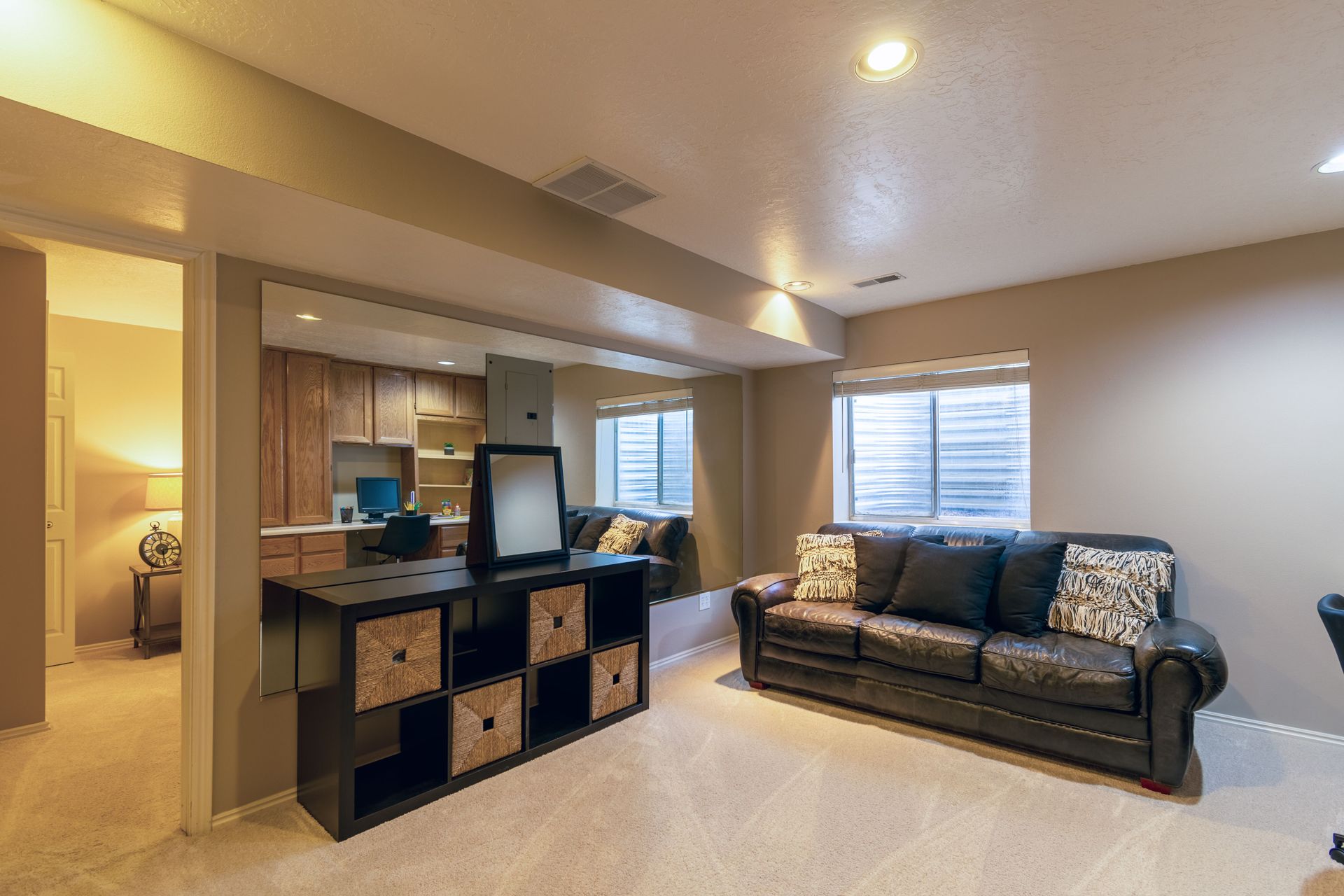




A finished basement with its own kitchen and bathroom can be a real selling point, whether you plan to rent it out or use it for family. But before you factor that income or space into your offer, it's worth knowing what "unpermitted" actually means and what it can cost you down the line.
Why it matters more than it looks
A basement apartment is only legal in Ontario when it satisfies three things at once: zoning approval, compliance with the Ontario Building Code, and compliance with the Ontario Fire Code. Miss any one of those and the unit is considered illegal, regardless of how nice the finishes look. And a nice-looking basement tells you nothing about what's happening behind the drywall.
The risks are real and specific. Home insurance often won't cover damage or liability connected to an unpermitted unit, particularly after a fire or flood. If a municipality becomes aware of a non-compliant unit, it can issue an order to comply, which may mean opening up walls for inspection or removing the unit entirely. And under the Fire Protection and Prevention Act, non-compliant fire separation can carry fines running into the tens of thousands of dollars.
What to look for as a buyer
A few signs are worth watching for during showings: a basement that looks freshly finished but has no permit on file with the city, workmanship that seems rushed or inconsistent with the rest of the home, and sellers who are vague or dismissive when asked directly about permits. None of these are dealbreakers on their own, but they're reasons to ask more questions before you write an offer that assumes rental income from that space.
What to actually do about it
Have your lawyer request and review the municipal property file before closing, which will show whether permits were issued and properly closed out. Ask the seller directly what permits were obtained and whether final inspections were completed. If the basement was finished without permits, it doesn't necessarily mean walk away, but it does mean you should budget for the cost of bringing it up to code (electrical, fire separation, egress windows, and sometimes structural work) rather than assuming the space is worth what a legal unit would be.
An offer can also be made conditional on a satisfactory home inspection that specifically flags basement compliance, giving you a chance to negotiate the price or ask the seller to address issues before closing.
Where my background helps
Having worked in construction before real estate, I can often spot the signs of unpermitted work during a showing that a buyer might miss, and give you a realistic sense of what bringing a space up to code would actually cost. If you're looking at a home with a basement suite, that's exactly the kind of thing worth walking through together before you get attached to the numbers on paper.