


Guelph's older neighbourhoods, downtown, the Ward, and pockets throughout central Guelph, are full of character homes built from local limestone with genuine architectural history. They're beautiful, and buyers looking for character often set their sights specifically on this part of the city. But a century home comes with a different due diligence process than a 20-year-old subdivision house, so here's what to actually check.


Heritage listed vs. heritage designated

These aren't the same thing, and it matters. A home can simply be old without any special status attached to it. A designated heritage property, by contrast, is formally protected under the Ontario Heritage Act, which means you generally can't significantly alter, renovate, or demolish it without municipal approval. Guelph maintains a public heritage register and a map of designated properties, and it's worth checking before you fall in love with a specific house so you know exactly what you're taking on.


What tends to hide behind old plaster

Knob and tube wiring is common in homes from this era, and it's a real factor: it can't safely support modern electrical loads, it's incompatible with modern insulation, and many insurers either refuse to cover it or charge a significant premium. If a home still has active knob and tube, budget for a full electrical upgrade as part of your plan, not as an optional extra.


Stone foundations are another consideration. They're not inherently a problem, but they behave differently than poured concrete, and a qualified inspector should assess their condition specifically, not just give the house a general pass. Older plumbing (cast iron drains, galvanized supply lines, and in some cases lead service connections from the street) is also worth a close look, since these deteriorate from the inside out and can look fine externally while being compromised internally.


An oil tank scan is worth doing regardless of the home's age, since lenders and insurers often require confirmation there isn't a buried tank on the property before they'll finalize financing or coverage.


Insurance needs its own conversation, early

Insuring an older or heritage home isn't automatic through every insurer, and it's smart to talk to a broker before you're firm on an offer, not after. Ask specifically about age restrictions, requirements around knob and tube or older plumbing, and whether a guaranteed replacement cost endorsement is available, since some lenders require one as a condition of the mortgage.


Why buyers still choose them

Well-maintained century homes are genuinely rare on the market, and that scarcity means they can attract strong interest and sometimes sell over asking. For the right buyer, the trade-off of extra due diligence is well worth owning a real piece of Guelph's history. If a character home downtown or in the Ward is on your list, I'd encourage bringing in an inspector experienced specifically with older homes, not just a general home inspector, and I'm glad to recommend a few who know this housing stock well

By Wilson Li • October 5, 2026
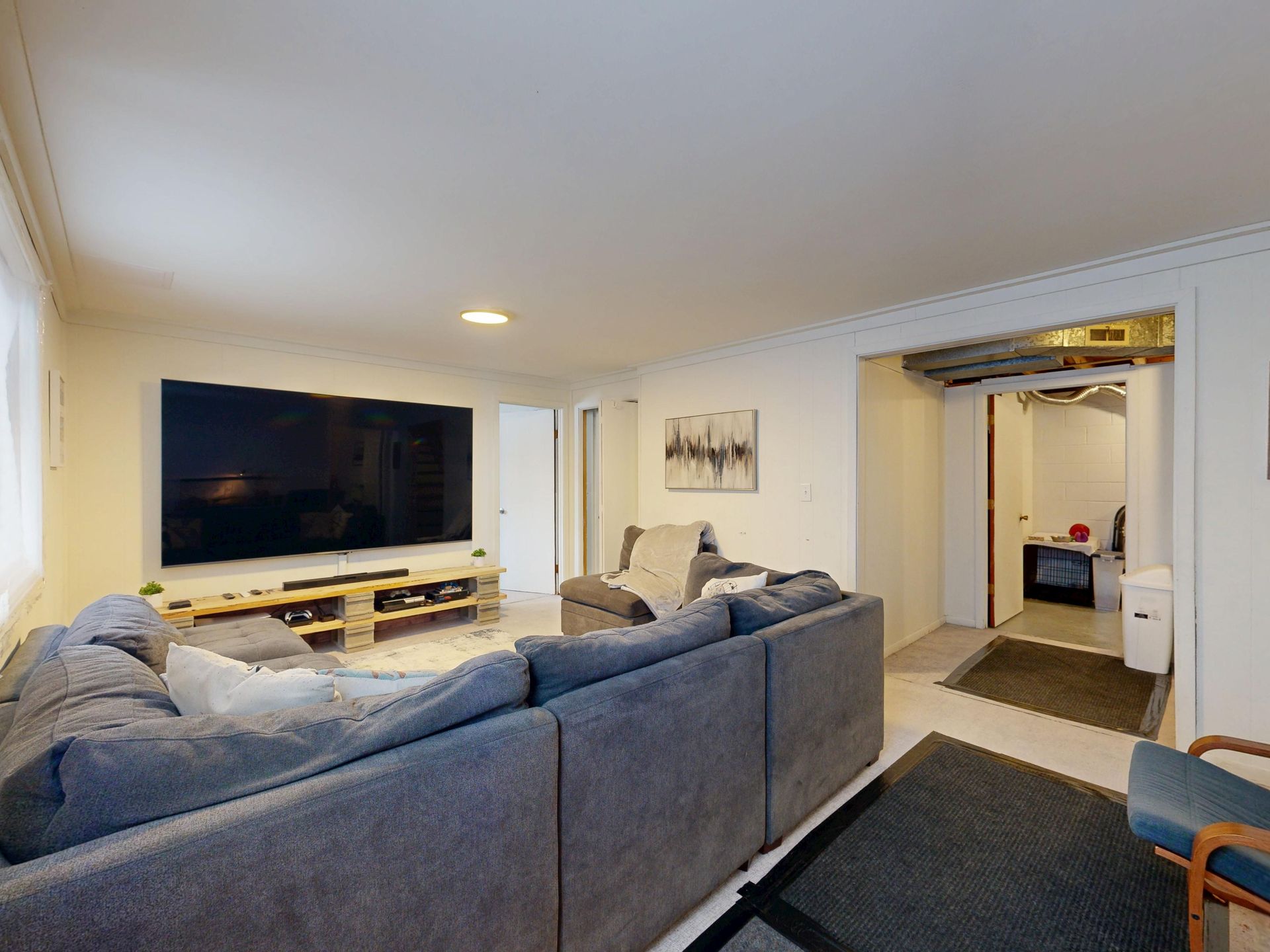
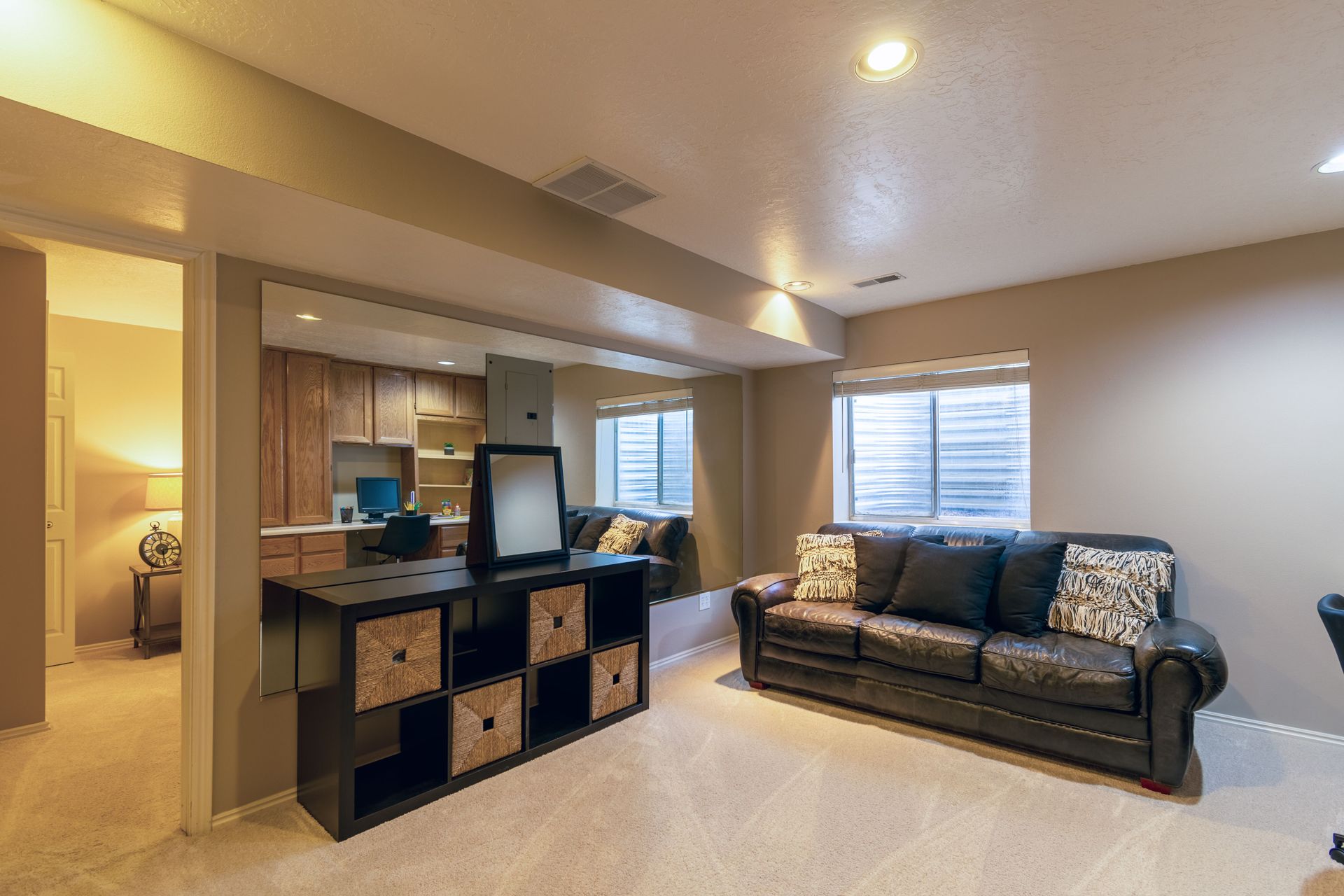
A finished basement with its own kitchen and bathroom can be a real selling point, whether you plan to rent it out or use it for family. But before you factor that income or space into your offer, it's worth knowing what "unpermitted" actually means and what it can cost you down the line.  Why it matters more than it looks A basement apartment is only legal in Ontario when it satisfies three things at once: zoning approval, compliance with the Ontario Building Code, and compliance with the Ontario Fire Code. Miss any one of those and the unit is considered illegal, regardless of how nice the finishes look. And a nice-looking basement tells you nothing about what's happening behind the drywall. The risks are real and specific. Home insurance often won't cover damage or liability connected to an unpermitted unit, particularly after a fire or flood. If a municipality becomes aware of a non-compliant unit, it can issue an order to comply, which may mean opening up walls for inspection or removing the unit entirely. And under the Fire Protection and Prevention Act, non-compliant fire separation can carry fines running into the tens of thousands of dollars. What to look for as a buyer A few signs are worth watching for during showings: a basement that looks freshly finished but has no permit on file with the city, workmanship that seems rushed or inconsistent with the rest of the home, and sellers who are vague or dismissive when asked directly about permits. None of these are dealbreakers on their own, but they're reasons to ask more questions before you write an offer that assumes rental income from that space. What to actually do about it Have your lawyer request and review the municipal property file before closing, which will show whether permits were issued and properly closed out. Ask the seller directly what permits were obtained and whether final inspections were completed. If the basement was finished without permits, it doesn't necessarily mean walk away, but it does mean you should budget for the cost of bringing it up to code (electrical, fire separation, egress windows, and sometimes structural work) rather than assuming the space is worth what a legal unit would be. An offer can also be made conditional on a satisfactory home inspection that specifically flags basement compliance, giving you a chance to negotiate the price or ask the seller to address issues before closing. Where my background helps Having worked in construction before real estate, I can often spot the signs of unpermitted work during a showing that a buyer might miss, and give you a realistic sense of what bringing a space up to code would actually cost. If you're looking at a home with a basement suite, that's exactly the kind of thing worth walking through together before you get attached to the numbers on paper.
By Wilson Li • October 2, 2026
Guelph has loosened its rules on additional dwelling units significantly over the past few years, and it's one of the most common questions I get from buyers looking at income potential or multi-generational living. Here's where things actually stand.  What the city allows In December 2024, City Council approved changes permitting up to four residential units on many low-density residential lots. For a single detached home, that generally works out to the main house plus up to two additional units in an accessory building, or one additional unit inside the home plus up to two in a separate building, depending on configuration. Semi-detached homes, duplexes, and townhouses are generally permitted up to three units per lot. A March 2026 partial settlement at the Ontario Land Tribunal also resolved a number of the appealed provisions around parking, building lengths, and buffer strips, giving more certainty than there was even a year ago. That said, parts of Guelph's zoning bylaw remain under city-wide appeal, so the specific rules that apply to any given property still depend on the zoning, lot size, and existing structures. Units within the main home vs. detached An additional dwelling unit inside the primary home (a basement apartment, for example) is generally capped at 45% of the home's total floor area and a maximum of two bedrooms. A detached unit in the backyard, like a garden suite or coach house, is limited to about 861 square feet, can't cover more than 30% of the yard, and is capped at roughly 6.1 metres in height. Both require their own separate entrance with proper pedestrian access. It's not automatic This is the part buyers sometimes miss: the city's zoning changes create the opportunity, but they don't automatically qualify every property. Lot dimensions, existing buildings, parking availability, servicing capacity, and where entrances can be located all still determine what's actually approvable on a specific lot. The City's ADU Assessment Tool is a good starting point, but for anything beyond a rough sense of feasibility, it's worth a Preliminary Zoning Review or a conversation with a designer or contractor before you count on a unit as part of your purchase decision. Registration is required Any additional dwelling unit, new or existing, needs to be registered with the City under the Additional Residential Dwelling Units bylaw, and it needs a building permit, meets the Ontario Building Code, and passes inspection, including a licensed electrical contractor's sign-off. Adding a unit can also affect your property tax assessment through MPAC. Why this matters if you're buying Whether you're looking for a basement apartment to offset your mortgage, space for a family member, or simply want to know what a property could become down the road, this is exactly the kind of question worth asking before you write an offer, not after. With my construction background, I can often give you a realistic read on a property's potential on the spot, and point you toward the right professional when the answer needs more than a walkthrough.
By Wilson Li • October 1, 2026
When families start looking for a home in Guelph, one of the first questions I hear is, "What are the schools like?" It makes sense. For a lot of parents, the school down the street matters as much as the number of bedrooms. Here's a look at Guelph's top performing schools based on the latest Fraser Institute rankings, plus a few things I always tell families to keep in mind. How the rankings work The Fraser Institute ranks Ontario schools each year using provincial EQAO test results in reading, writing, and math. Each school gets an overall rating out of 10. The most recent elementary report ranked over 3,000 Ontario schools, and the secondary report ranked 747 high schools. Rankings are a useful starting point, but they're based on test scores only. They don't measure things like arts programs, sports, special education support, or how happy kids are at school. Even the Fraser Institute says parents shouldn't choose a school on rankings alone. Top rated elementary schools in Guelph École Arbour Vista Public School (Public, French Immersion): 9.7, ranked 42 in Ontario St. Paul Catholic School (Catholic): 8.9, ranked 126 John McCrae Public School (Public): 8.8, ranked 149 Westminster Woods Public School (Public): 8.7, ranked 161 Ken Danby Public School (Public): 8.5, ranked 199 Westwood Public School (Public): 8.0, ranked 351 Rickson Ridge Public School (Public): 7.9, ranked 392 Jean Little Public School (Public): 7.9, ranked 392 St. Patrick Catholic School (Catholic): 7.8, ranked 447 Victory Public School (Public): 7.8, ranked 447 A few that stand out: École Arbour Vista is one of the highest rated schools in all of Ontario, not just Guelph. Westwood Public School made one of the biggest jumps locally, scoring 8.0 compared to its five year average of 4.6. The south end shines. Westminster Woods and Rickson Ridge both serve the newer neighbourhoods in Guelph's south end, which is one reason those areas stay popular with families. Just outside the city: Aberfoyle Public School in Puslinch rated 8.3, and St. Joseph Catholic School in Fergus rated 9.3, one of the highest in the region. Top rated high schools in Guelph Guelph Collegiate Vocational Institute (GCVI) (Public): 8.2, ranked 65 in Ontario Bishop Macdonell Catholic High School (Catholic): 8.2, ranked 65 Centennial Collegiate Vocational Institute (Public): 8.0, ranked 86 John F. Ross Collegiate Vocational Institute (Public): 7.7, ranked 119 All four rank in the top fifth of Ontario high schools. Centennial has been one of the area's strongest performers for years, and GCVI, in its historic building near downtown, is a favourite for families who want a walkable, central location. What this means if you're buying a home Check the boundary, not just the distance. In Guelph, the closest school isn't always the one your address is assigned to. Before you fall in love with a house, confirm the school boundaries using the Upper Grand District School Board or Wellington Catholic District School Board school locator tools. Boundaries can also change as new neighbourhoods are built. Think about the whole path. If you have young kids, look at both the elementary school and the high school the address feeds into. A great elementary school paired with a long commute in high school might not be the right fit. Ask about programs. French Immersion, special education, gifted programs, and before and after school care can matter more than a ranking. Some programs are only offered at certain schools. Visit if you can. A quick tour or a chat with parents in the neighbourhood tells you more than any number. Schools and home values Homes in well known school zones often hold their value well and tend to attract strong interest from families when they come to market. That's worth thinking about even if you don't have kids, because it affects your future buyer pool. Let me help you find the right fit After 13 years in Guelph, I know which neighbourhoods feed into which schools and how families feel about them. If schools are high on your list, tell me what matters most to you and I'll help you focus your search on the areas that fit. You can also explore Guelph's neighbourhoods on ViewGuelph.ca . Rankings source: Fraser Institute Report Card on Ontario's Elementary Schools 2025 (2023/24 school year results) and Report Card on Ontario's Secondary Schools 2025. Rankings are one measure of school performance. Always confirm school boundaries and programs directly with the school board.
Show More