

West End and Onward Willow Neighbourhood Guide

A Complete Local Overview by Wilson Li, Guelph Real Estate Agent

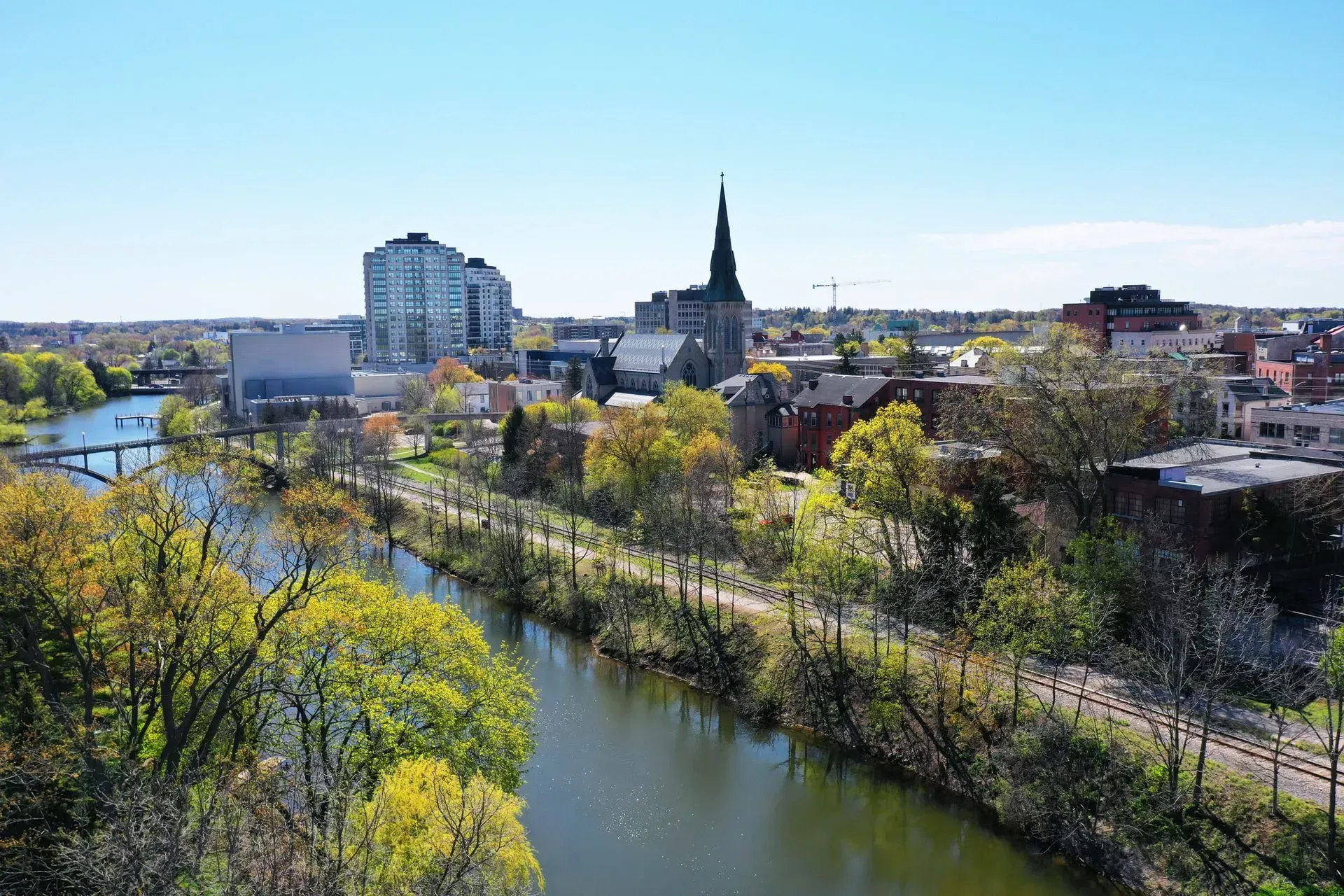
Welcome to Guelph’s west side, a part of the city known for comfort, convenience and a strong sense of community. The West End and Onward Willow together offer a diverse mix of established streets, family friendly parks, large homes and affordable entry level properties. Whether you are a first time buyer, a young family or simply looking for a quiet and practical place to live, this side of Guelph offers something for everyone.

What It Is Like to Live Here

Life in the West End and Onward Willow is relaxed and community focused. The West End is known for its quiet residential streets, spacious homes and access to strong schools, making it a favourite for families. Onward Willow offers affordability, friendly neighbours and excellent access to transit and shopping. When you combine both neighbourhoods, you get a balanced lifestyle with everything nearby.

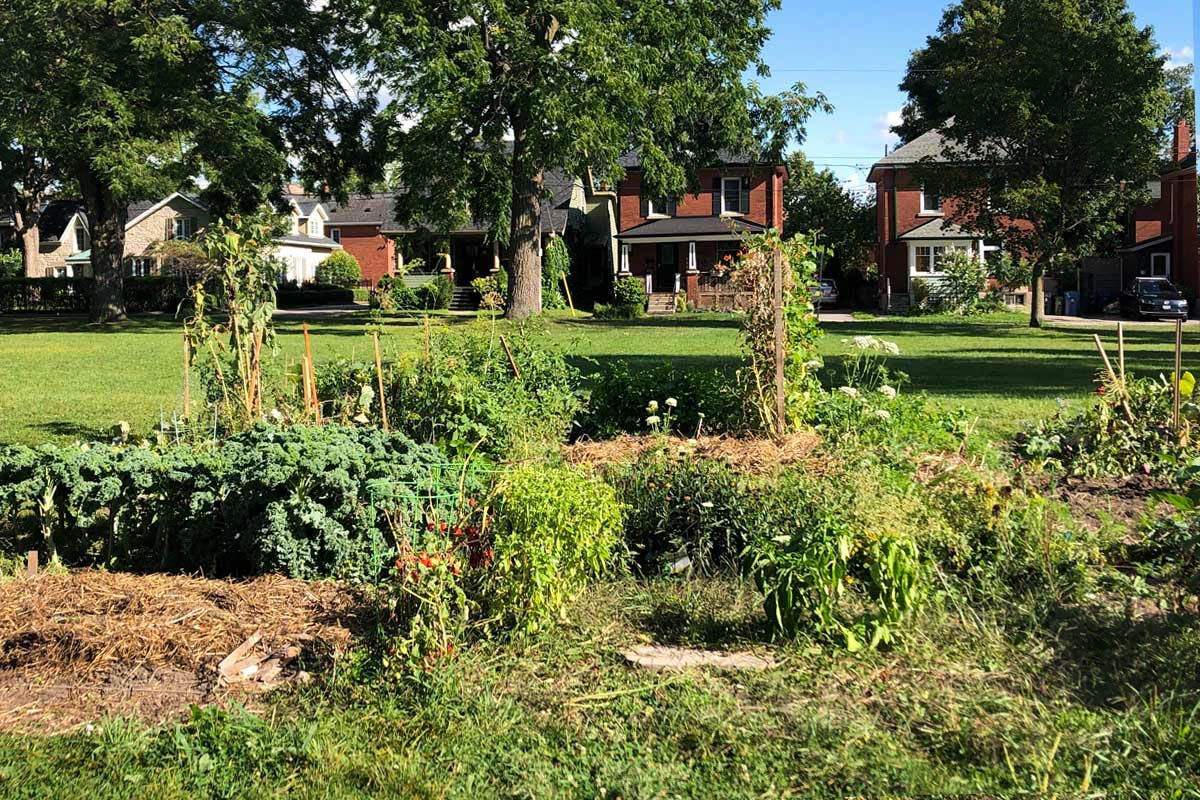
Residents enjoy the West End Recreation Centre, which includes a pool, fitness facilities and ice rinks. Costco, Zehrs, LCBO and major shopping options are only minutes away. The area is full of parks, playgrounds and walking trails, making it perfect for families who love being active and outdoors. Transit routes are convenient, and most daily errands can be done within a short drive.

Types of Homes Available & Average Prices

The west side of Guelph offers a wide range of housing options that fit many budgets and lifestyles. You will find spacious two story detached homes, classic bungalows, freehold townhomes, condo townhomes, semi detached properties and older condos with larger layouts. The West End includes many homes built in the 1990s and early 2000s, while Onward Willow has a blend of older homes, affordable condos and newer infill builds that have added fresh options to the community.


This part of the city offers excellent value, especially for families looking for more space.


Typical prices include:

  • West End detached homes: 800,000 to 1,100,000
  • Townhomes: 650,000 to 750,000
  • Onward Willow detached homes: 650,000 to 850,000
  • Condos in Onward Willow: 350,000 to 475,000


If you would like the most up to date pricing for your specific street, I can prepare a personalized market update.

Schools, Parks, and Recreation in the Area

Families have access to several supportive and well established schools, including Mitchell Woods Public School, Westwood Public School, St. Peter Catholic School, Willow Road Public School and St. Joseph Catholic School. These schools are known for strong community involvement and programs designed to support student learning and development.


The west side offers plenty of outdoor spaces for walking, relaxing and staying active. Margaret Greene Park is a popular choice with playgrounds and sports areas. Norm Jary Park provides open green space, trails and recreational facilities. The Hanlon Creek trail system runs nearby, offering easy access to nature. The West End Recreation Centre anchors the community with a swimming pool, ice rinks and programs for all ages.

Who This Area Is Perfect For

The West End and Onward Willow are ideal for families looking for quiet streets and good schools, first time buyers searching for strong value, investors seeking consistent rental demand and anyone who wants a neighbourhood that balances comfort, convenience and affordability. With a wide range of home types and easy access to amenities, it is a great place to build long term stability.
Why People Choose the West End and Onward Willow

These neighbourhoods continue to grow in popularity because they offer strong value, friendly communities and excellent convenience. You can find everything you need within minutes, from groceries to parks to schools. The area feels practical, comfortable and well suited for anyone looking for a welcoming and stable place to call home.

Thinking About Buying or Selling on Guelph’s West Side

I can help you explore listings, compare neighbourhoods, understand market trends and find the right fit for your needs. If you are thinking about buying or selling in the West End or Onward Willow, I would be happy to support you.

Call or text me anytime
Wilson Li, Realtor in Guelph
Coldwell Banker Neumann Real Estate
By Wilson Li • October 20, 2026
Guelph consistently comes up in conversations about mid-sized Ontario cities worth investing in, and the fundamentals explain why. Here's an honest look at what's actually driving demand, and how the new multi-unit zoning changes open up options that didn't exist a few years ago.  Why demand stays strong Guelph's rental vacancy rate has sat below 2% for several years, well under the roughly 3% typically considered a balanced market. That tight vacancy comes from a few different sources stacking on top of each other: the University of Guelph brings a steady base of student renters, the local tech and healthcare sectors attract professionals on longer leases, and a growing number of GTA commuters are choosing Guelph for more space at a lower cost. That mix matters for an investor, since it means fewer vacant months and less reliance on any single tenant type. Average rents have eased somewhat from their peak, with two-bedroom units generally running in the $2,100 to $2,400 range, but they remain above the national average, and the underlying supply-demand imbalance hasn't gone away even as rents have cooled slightly. Multi-unit zoning changes the math Guelph now permits up to four residential units on many low-density residential lots, following a December 2024 council decision. That means a single detached property can, depending on lot size, zoning, and servicing, potentially support the primary home plus additional units, whether that's a basement apartment, a unit above a garage, or a detached garden suite. For an investor, that turns a single-family purchase into a property with multiple income streams, though it's worth stressing that not every lot automatically qualifies. Zoning, parking, servicing capacity, and entrance requirements all still need to check out. What to actually run the numbers on Before treating any property as a multi-unit opportunity, get real quotes for what legalizing or building an additional unit would cost (permits, electrical, fire separation, and any structural work), not just a rough estimate. Compare that cost against realistic local rent for the unit type and size, factoring in Guelph's genuinely low vacancy rate as a tailwind rather than an assumption. And always run the numbers assuming today's mortgage rates, not the rates from a few years ago, since financing costs are the single biggest variable in whether a multi-unit property actually cash flows. Where I can help With a construction background alongside my real estate work, I can help you assess a property's realistic potential for an additional unit before you buy, not just after, and connect you with contractors who know Guelph's permitting process well. If you're exploring an investment purchase, whether that's a straightforward rental or a property with room to add a unit, I'm happy to walk through specific listings and run the real numbers with you rather than the rough averages you'll find online.
By Wilson Li • October 16, 2026
Guelph has become one of the go-to landing spots for people leaving Toronto and the GTA in search of more space and a lower cost of living, without giving up access back into the city entirely. If you're weighing the move, here's the realistic picture.  The price difference is real Guelph's average home price sits well below Toronto's, and that gap is one of the biggest draws for GTA buyers. It's common to find a detached home in Guelph for what a condo costs in much of the GTA, and the difference is even more pronounced for buyers coming from central Toronto. That said, Guelph still carries a premium compared to some of its own neighbours like Kitchener and Cambridge, largely because of its shorter commute and its self-contained downtown. The commute, honestly GO Transit runs the Kitchener line through Guelph, with Guelph Central Station right downtown. A trip into Union Station takes roughly an hour and a half each way by train, depending on the specific run and connections, and driving down the 401 is comparable or sometimes faster outside of peak congestion. It's not a short commute, and anyone doing it daily should go into the decision with eyes open about that trade-off. If your work allows hybrid or remote days, the calculation changes considerably in Guelph's favour. What you're actually gaining Beyond the price difference, Guelph offers a genuinely self-contained city: a walkable downtown, the University of Guelph anchoring a strong local economy, well-regarded schools, extensive parks and trails along the Speed River, and a lower overall pace of life than the GTA. It consistently ranks among the more livable mid-sized cities in Ontario, and for families in particular, that combination of affordability and quality of life is often the deciding factor over the commute trade-off. A few practical notes for GTA buyers Guelph's neighbourhoods vary meaningfully in character and price, so it's worth spending time in a few different areas (South Guelph for newer family-friendly subdivisions, the downtown core and the Ward for walkability and character homes, and the west end for a quieter, more suburban feel) before settling on where to focus your search. And because you may not know the city the way a longtime Guelph buyer would, working with an agent who genuinely knows the local streets, schools, and commute realities matters more than it might in a market you already know well. If you're weighing the move The honest summary is that if your absolute priority is the lowest price of entry, Kitchener or Cambridge will stretch your budget slightly further. If you want a strong sense of community, the shortest reasonable commute back to Toronto among the nearby cities, and a city that feels complete on its own, Guelph tends to earn its premium for a lot of buyers. I moved through this exact question with many GTA clients, and I'm glad to walk you through neighbourhoods, commute realities, and pricing based on exactly what you're looking for.
By Wilson Li • October 9, 2026
Guelph's older neighbourhoods, downtown, the Ward, and pockets throughout central Guelph, are full of character homes built from local limestone with genuine architectural history. They're beautiful, and buyers looking for character often set their sights specifically on this part of the city. But a century home comes with a different due diligence process than a 20-year-old subdivision house, so here's what to actually check.  Heritage listed vs. heritage designated These aren't the same thing, and it matters. A home can simply be old without any special status attached to it. A designated heritage property, by contrast, is formally protected under the Ontario Heritage Act, which means you generally can't significantly alter, renovate, or demolish it without municipal approval. Guelph maintains a public heritage register and a map of designated properties, and it's worth checking before you fall in love with a specific house so you know exactly what you're taking on. What tends to hide behind old plaster Knob and tube wiring is common in homes from this era, and it's a real factor: it can't safely support modern electrical loads, it's incompatible with modern insulation, and many insurers either refuse to cover it or charge a significant premium. If a home still has active knob and tube, budget for a full electrical upgrade as part of your plan, not as an optional extra. Stone foundations are another consideration. They're not inherently a problem, but they behave differently than poured concrete, and a qualified inspector should assess their condition specifically, not just give the house a general pass. Older plumbing (cast iron drains, galvanized supply lines, and in some cases lead service connections from the street) is also worth a close look, since these deteriorate from the inside out and can look fine externally while being compromised internally. An oil tank scan is worth doing regardless of the home's age, since lenders and insurers often require confirmation there isn't a buried tank on the property before they'll finalize financing or coverage. Insurance needs its own conversation, early Insuring an older or heritage home isn't automatic through every insurer, and it's smart to talk to a broker before you're firm on an offer, not after. Ask specifically about age restrictions, requirements around knob and tube or older plumbing, and whether a guaranteed replacement cost endorsement is available, since some lenders require one as a condition of the mortgage. Why buyers still choose them Well-maintained century homes are genuinely rare on the market, and that scarcity means they can attract strong interest and sometimes sell over asking. For the right buyer, the trade-off of extra due diligence is well worth owning a real piece of Guelph's history. If a character home downtown or in the Ward is on your list, I'd encourage bringing in an inspector experienced specifically with older homes, not just a general home inspector, and I'm glad to recommend a few who know this housing stock well
Show More